Studio review from Switzerland Vintage Maker 16 Channel active Summing Mixer with a v475-2C Neumann Amp
VintageMaker 16-Channel Neumann Summing Mixer: Studio Review from Switzerland
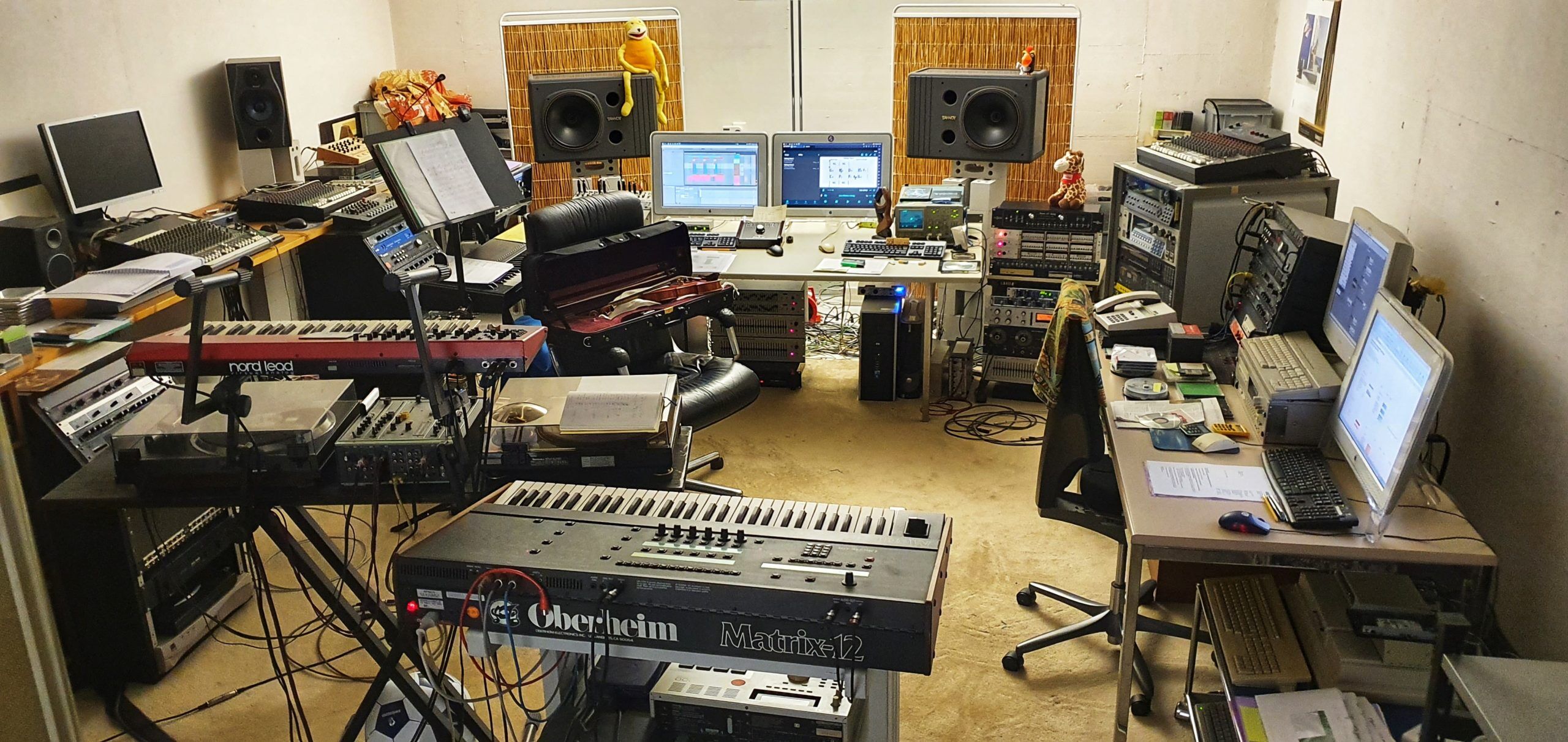
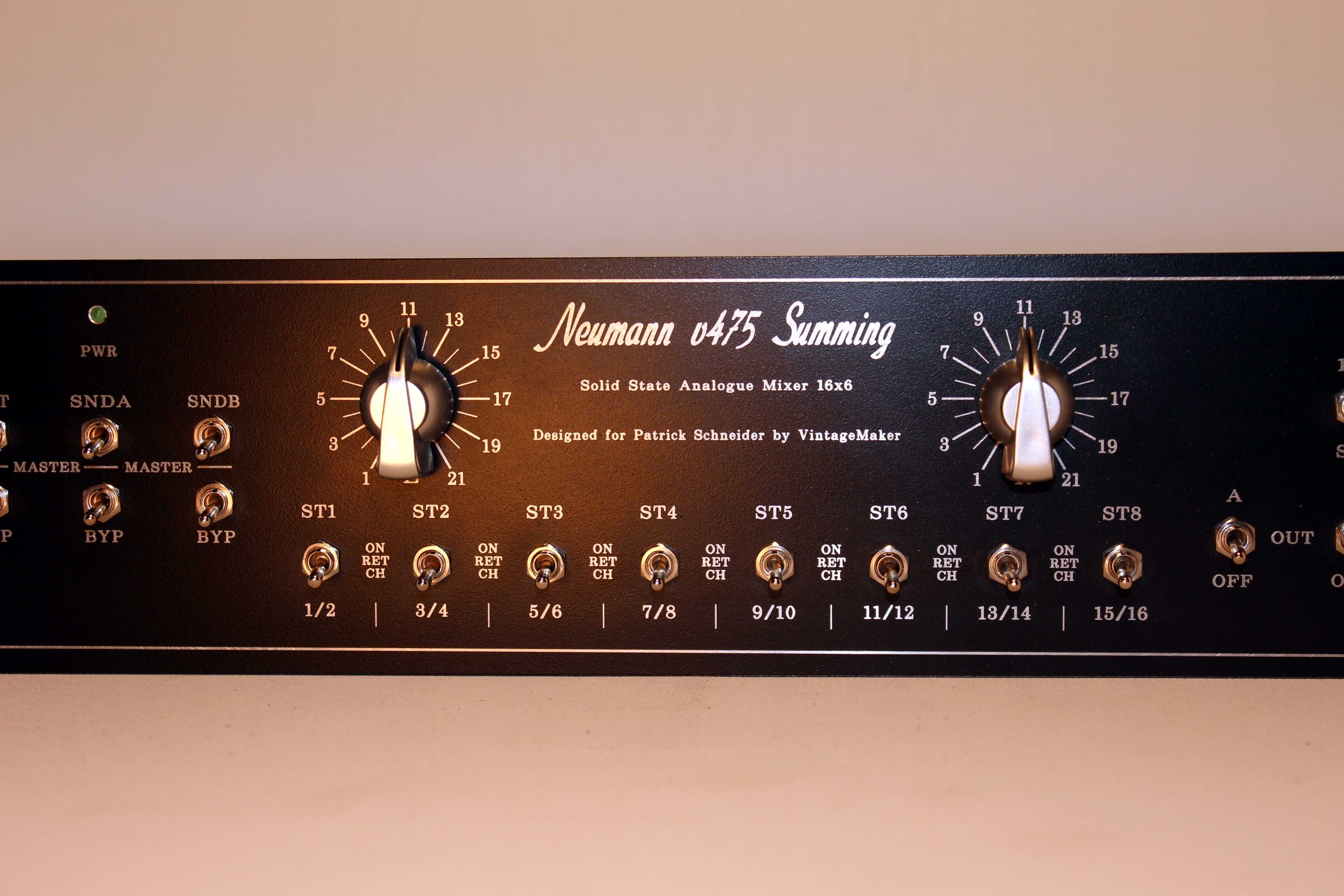
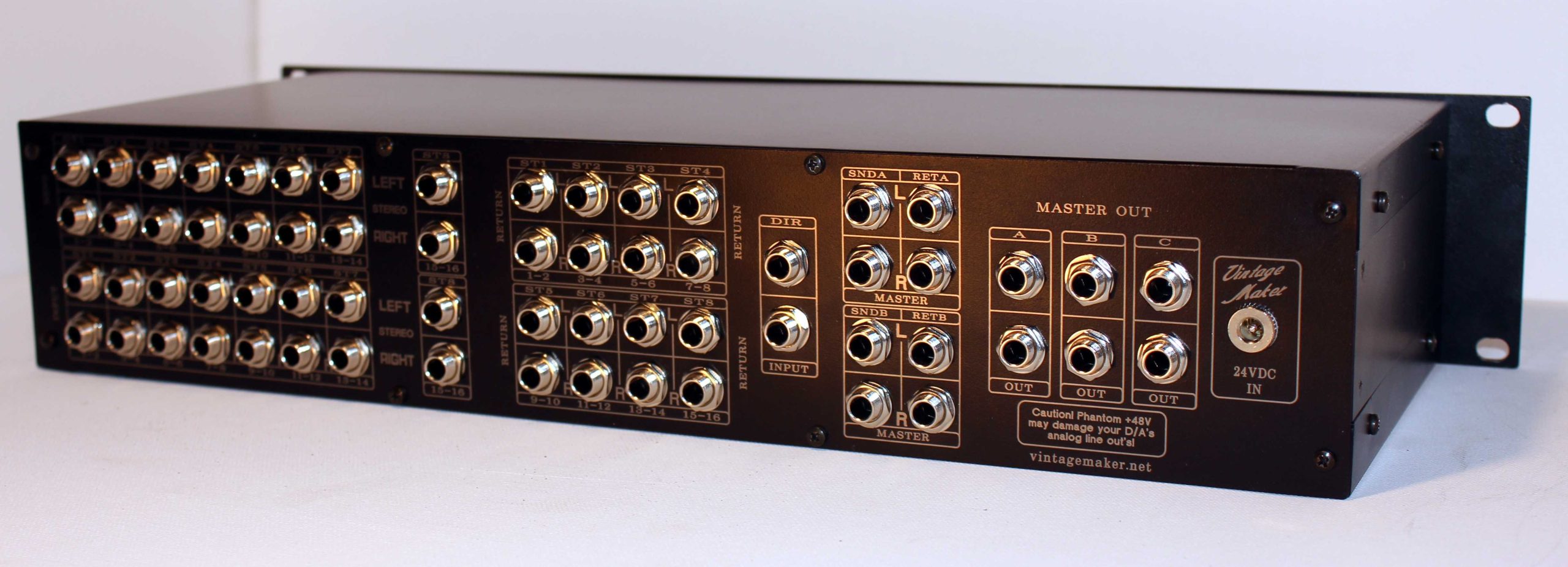
Patrick Schneider is a composer based in Switzerland. Since 2020 he has been running a VintageMaker 16-channel active summing mixer with a Neumann v475-2C transformer amplifier in his primary studio. This is his detailed account of the setup, the integration process, and what the unit delivers in daily use.
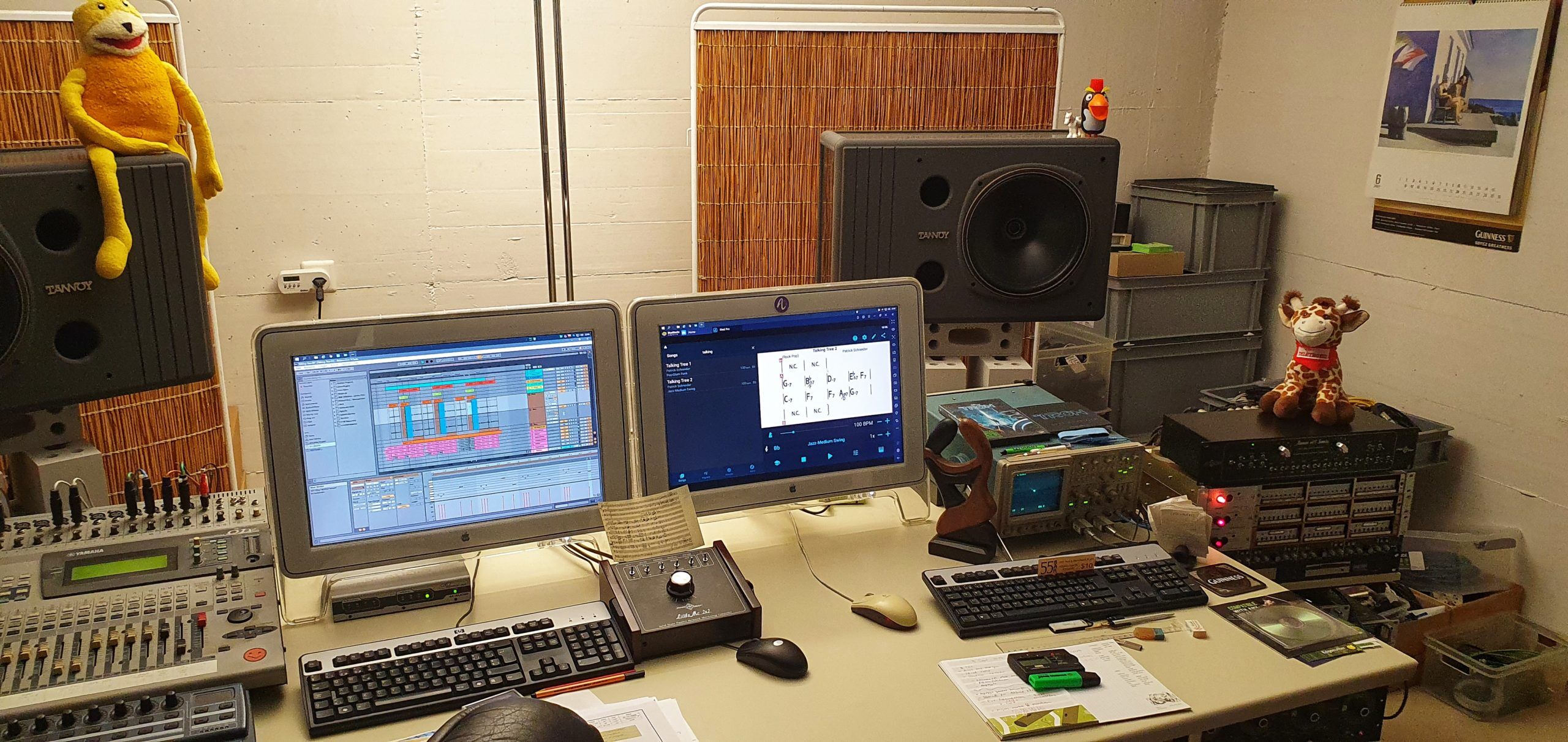
The Studio and the Decision to Go Hybrid
Patrick Schneider, Composer — Switzerland:
“For many years I was composing and demo mixing all tracks in the box with active monitoring. After working with producers in Los Angeles using SSL consoles, I was convinced to redesign my compositing environment for analogue summing.”
The challenge was finding an affordable, high-quality 16-channel D/A converter and a reliable A/D for recording. After extensive research and discussions with local mastering engineers, Patrick settled on RME FF800 and FF400 — each 8-channel unit connected through a separate FireWire 800 PCIe card to provide full 192 kHz bandwidth. Ableton with ASIO4ALL and TotalMix now runs at 16 channels at 192 kHz over WordClock synchronization.
Noise Floor Measurement and Technical Setup
The VintageMaker Neumann amp end-to-end RMS noise floor was measured at 102 dB RMS (DigiCheck, flat filtered for 22 kHz at 192 kHz, all inserts inactive). All RME input and output signals are set to Output Hi Gain, Input Low Gain for +19 dBu at 0 dBFS levels.
System Overview:
| Component | Model / Setup |
|---|---|
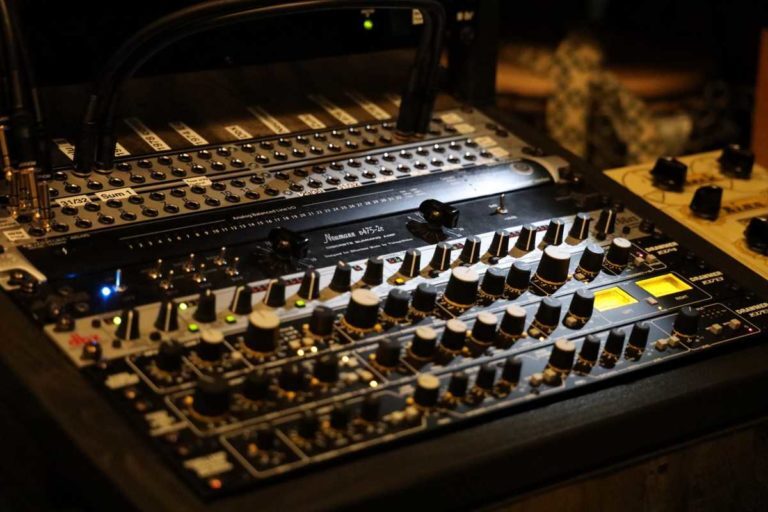
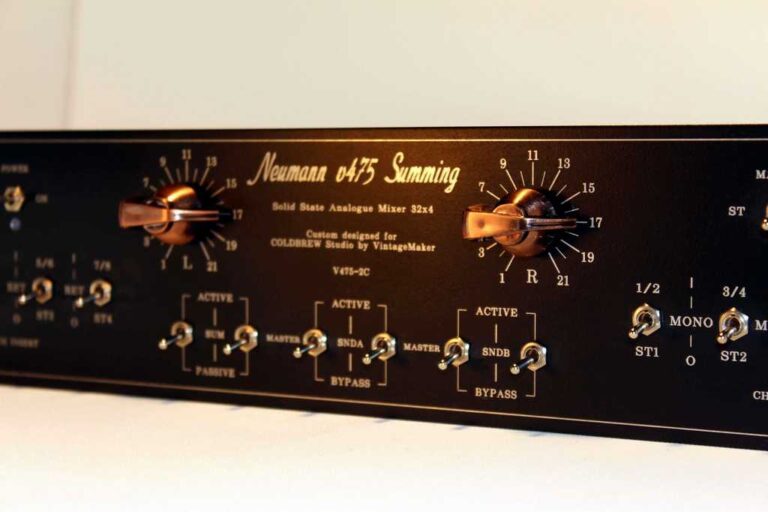
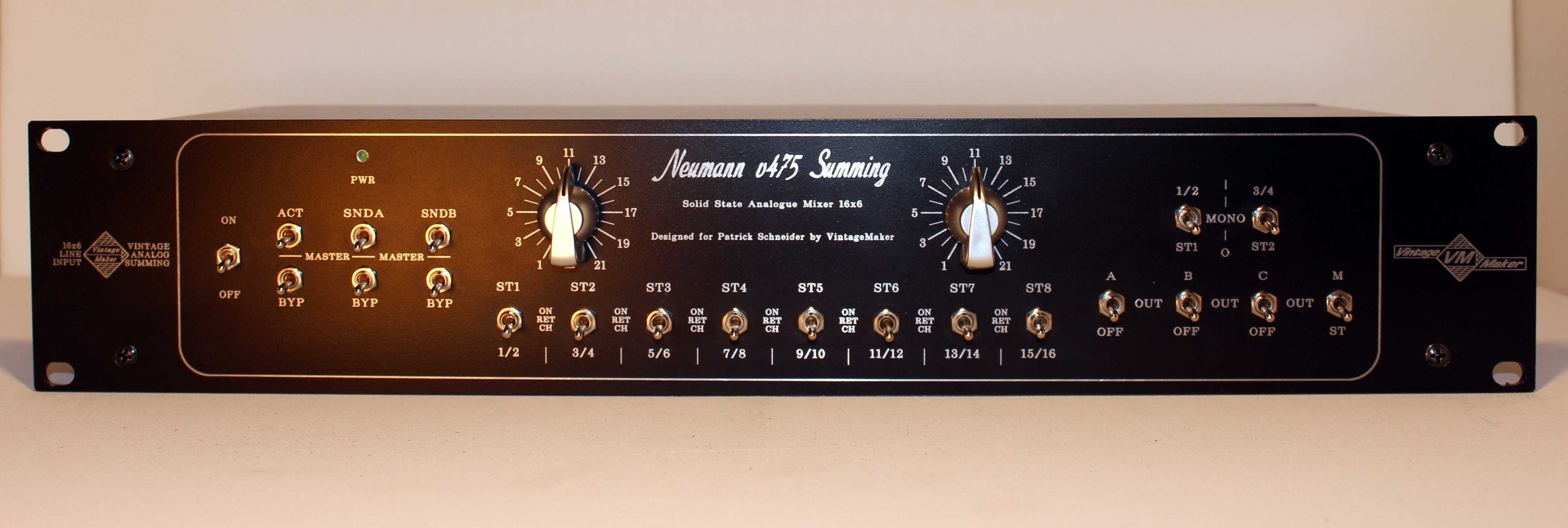
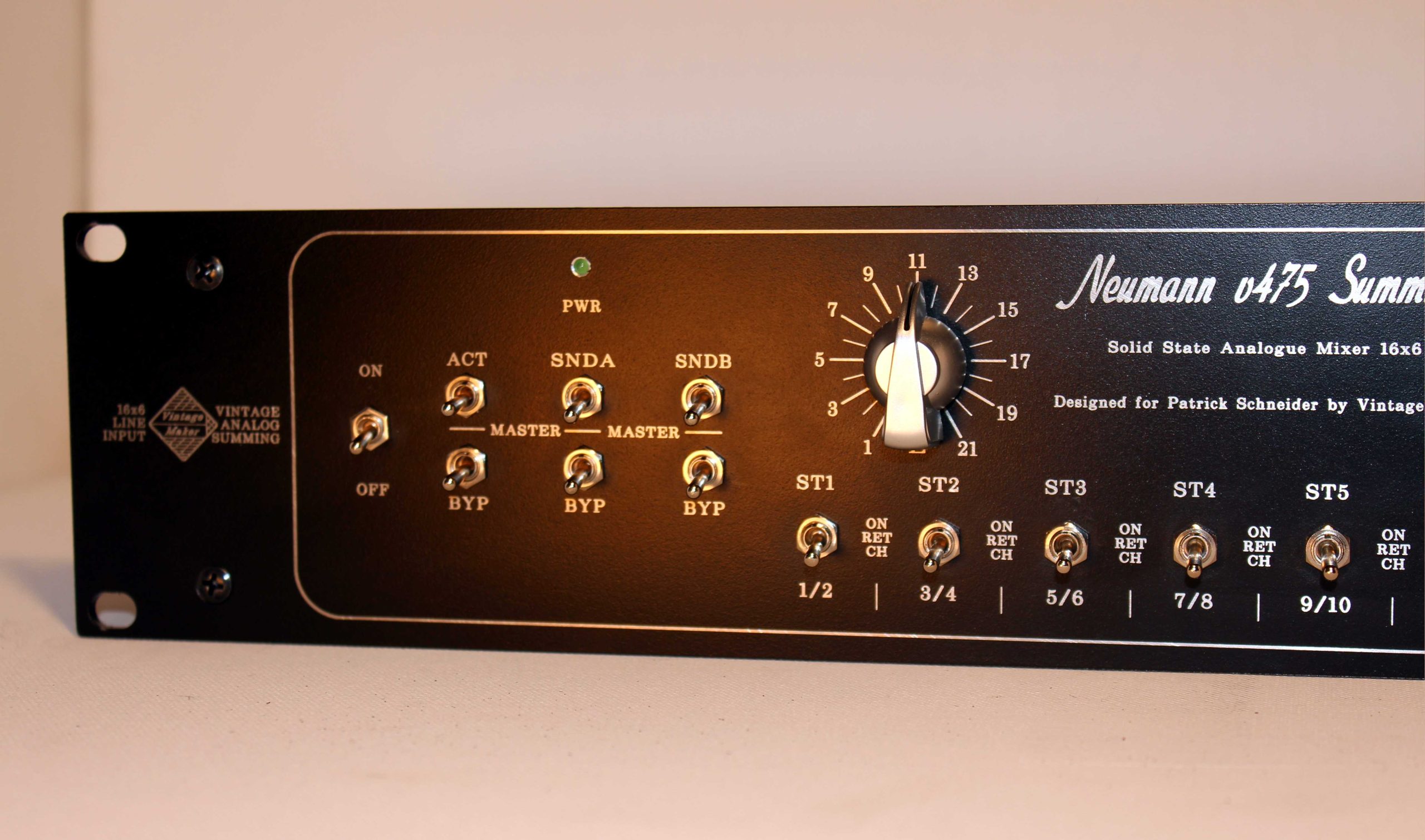
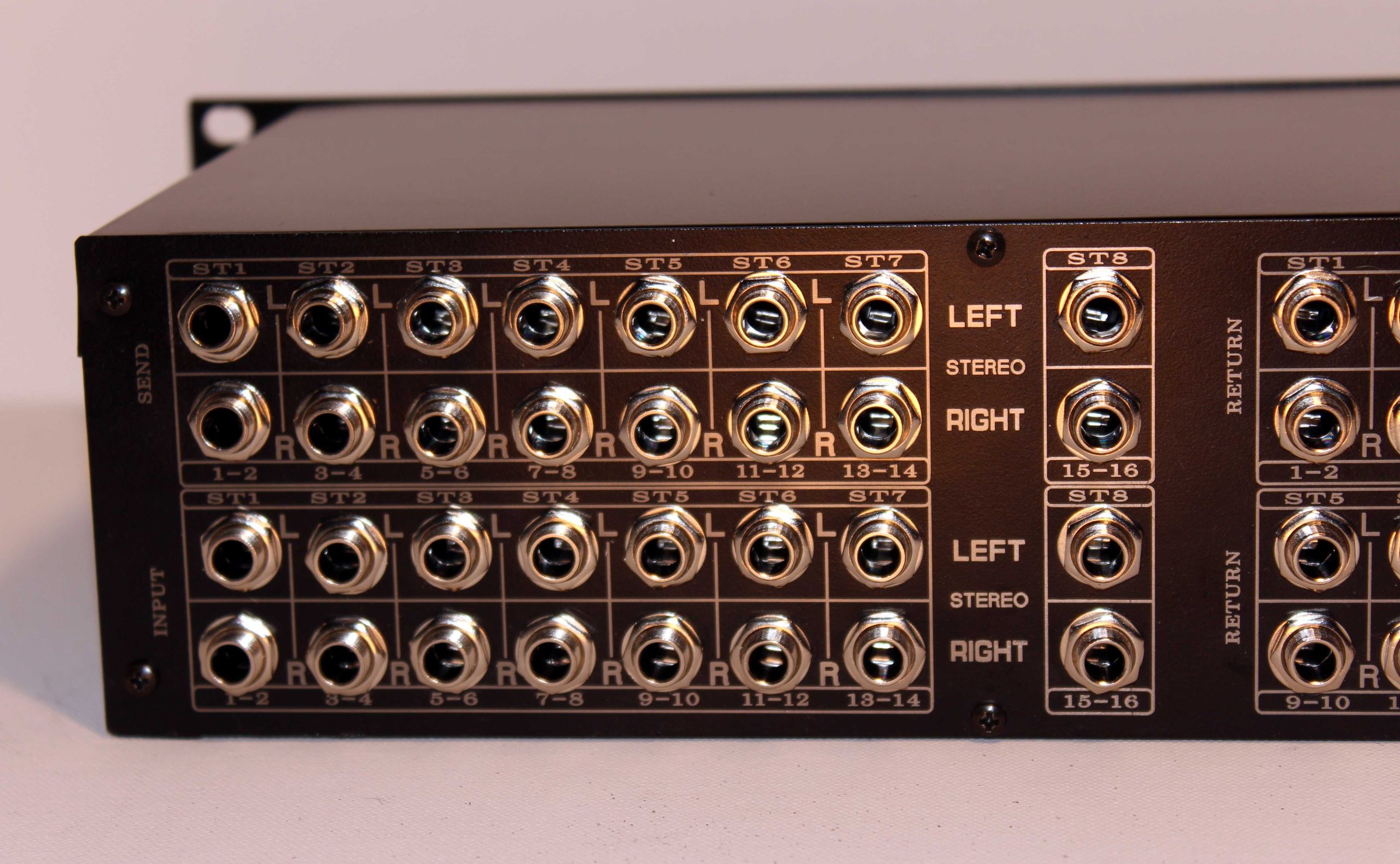
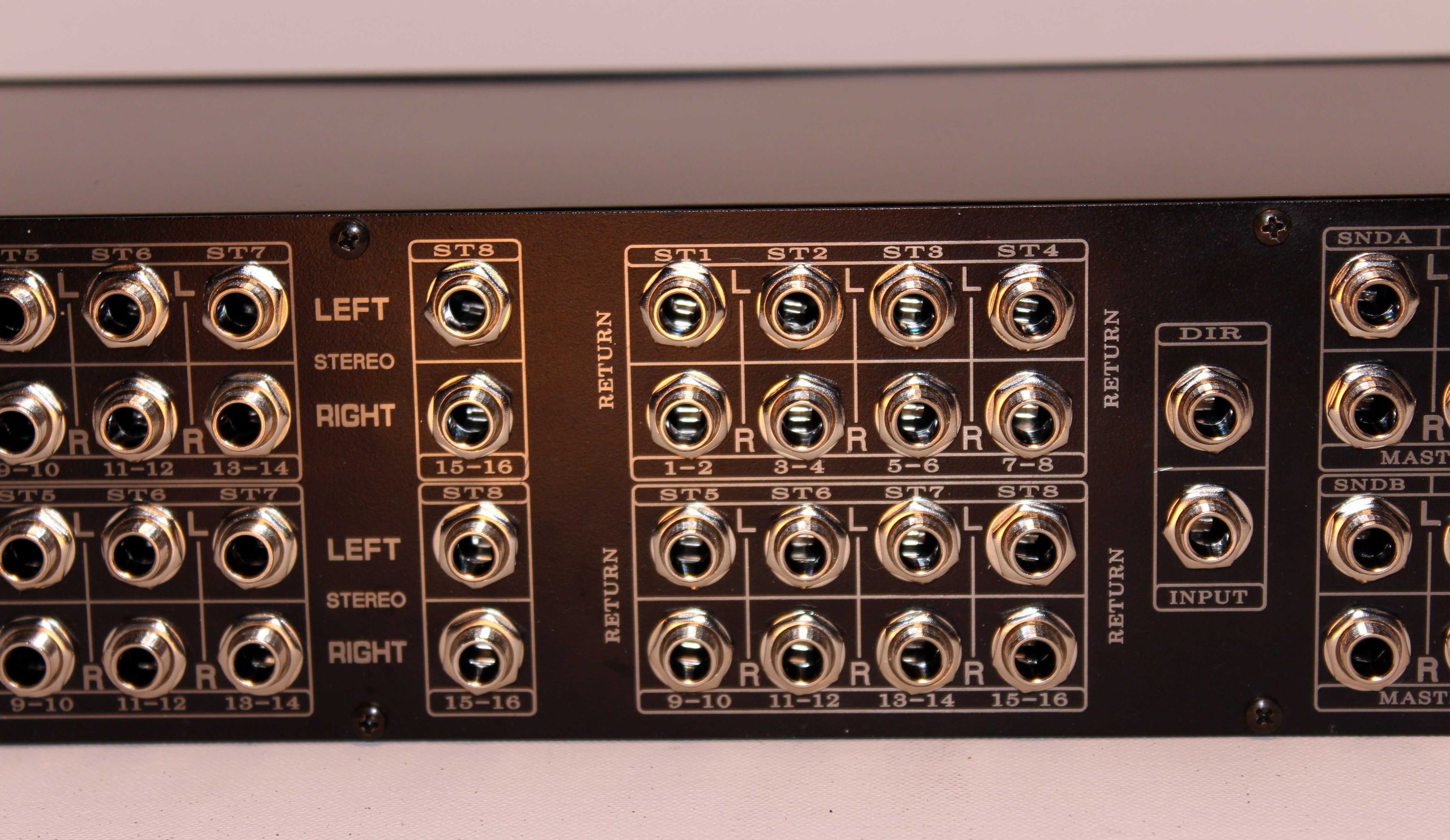
| Summing Mixer | VintageMaker 16-channel active, Neumann v475-2C NOS transformer amp |
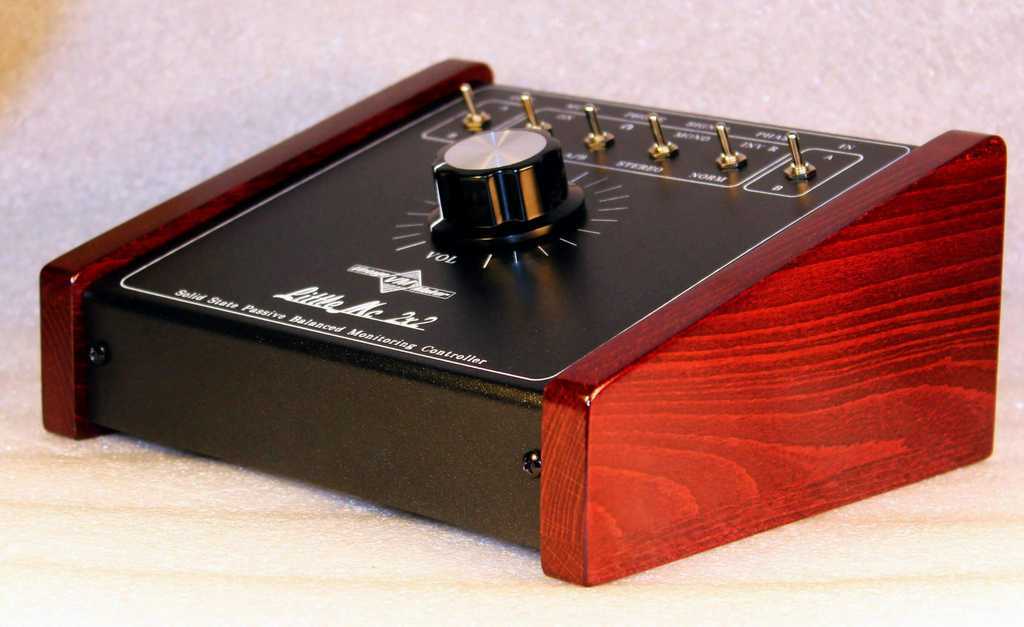
| Monitor Controller | VintageMaker Little MC 2×2 |
| D/A Converter | RME FF800 (main D/A) |
| A/D Converter | RME FF400 (main A/D) |
| Sample Rate | 16 channels at 192 kHz over WordClock |
| DAW | Ableton + ASIO4ALL + TotalMix |
| Monitoring | Class-A bi-wired passive: H&H VX 450W MosFET + Tannoy System 12 DMT |
| Noise Floor | 102 dB RMS end-to-end (DigiCheck, 22 kHz, 192 kHz) |
| Cabling | Contrik/Neutrik NK2/4 + silver mic cables (1970s) for inserts and main out |
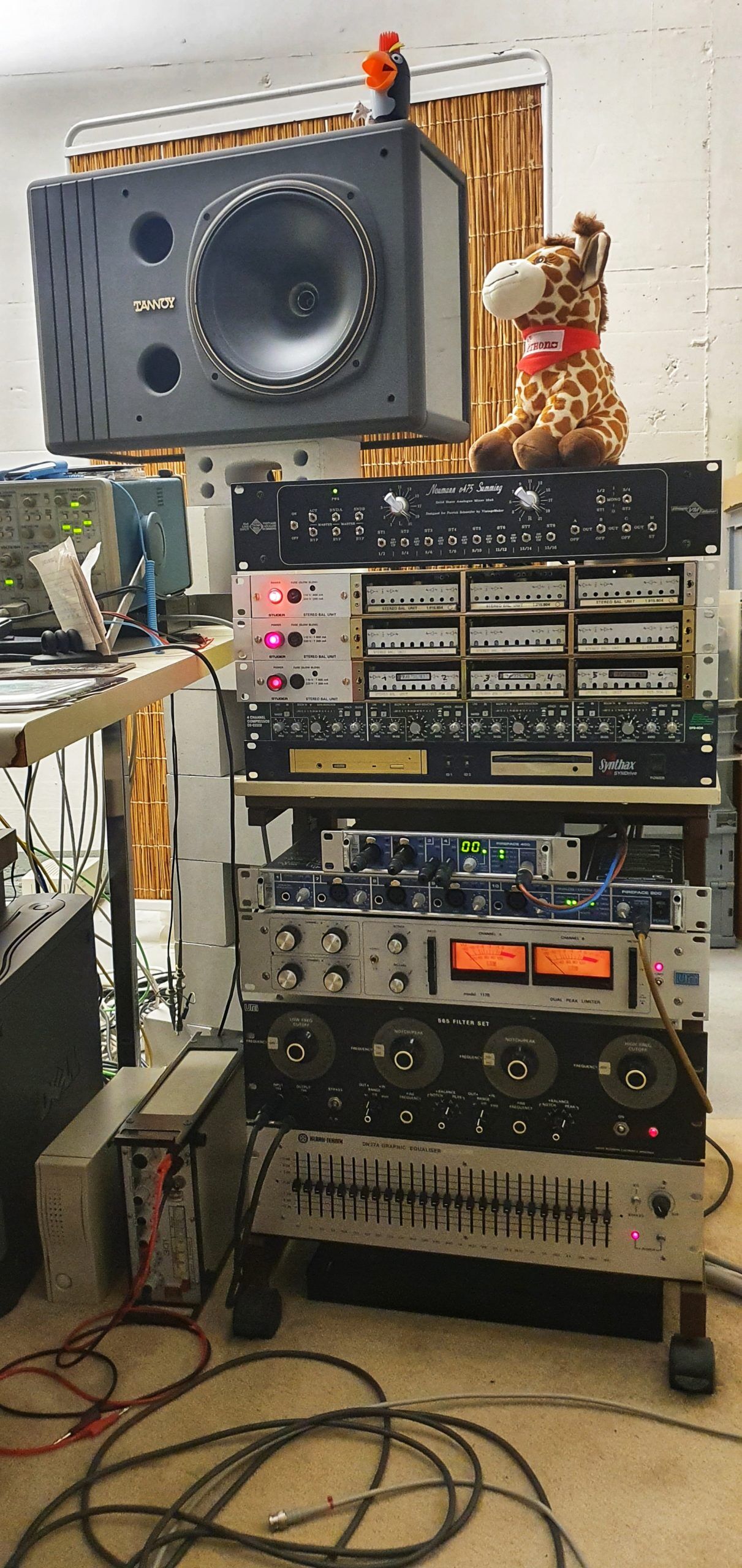
As a controller I bought the Vintage Maker Little MC2x2. For the Room Equalization I’m using a Klark DN 360 with a Pikatron Transformer Option. The new Monitoring makes a big and important difference.
Sound Character: The Neumann v475-2C
“The v475-2C sounds very fat, transparent, colorful, and the release energy is great. Mono sounds very good as well. Handling with the switches is excellent for coloring comparison and enabling/disabling inserts. It’s amazing how spectrally elastic the recorded signals are with VintageMaker. VintageMaker signals often make post-editing more flexible and sound great.” — Patrick Schneider, Switzerland
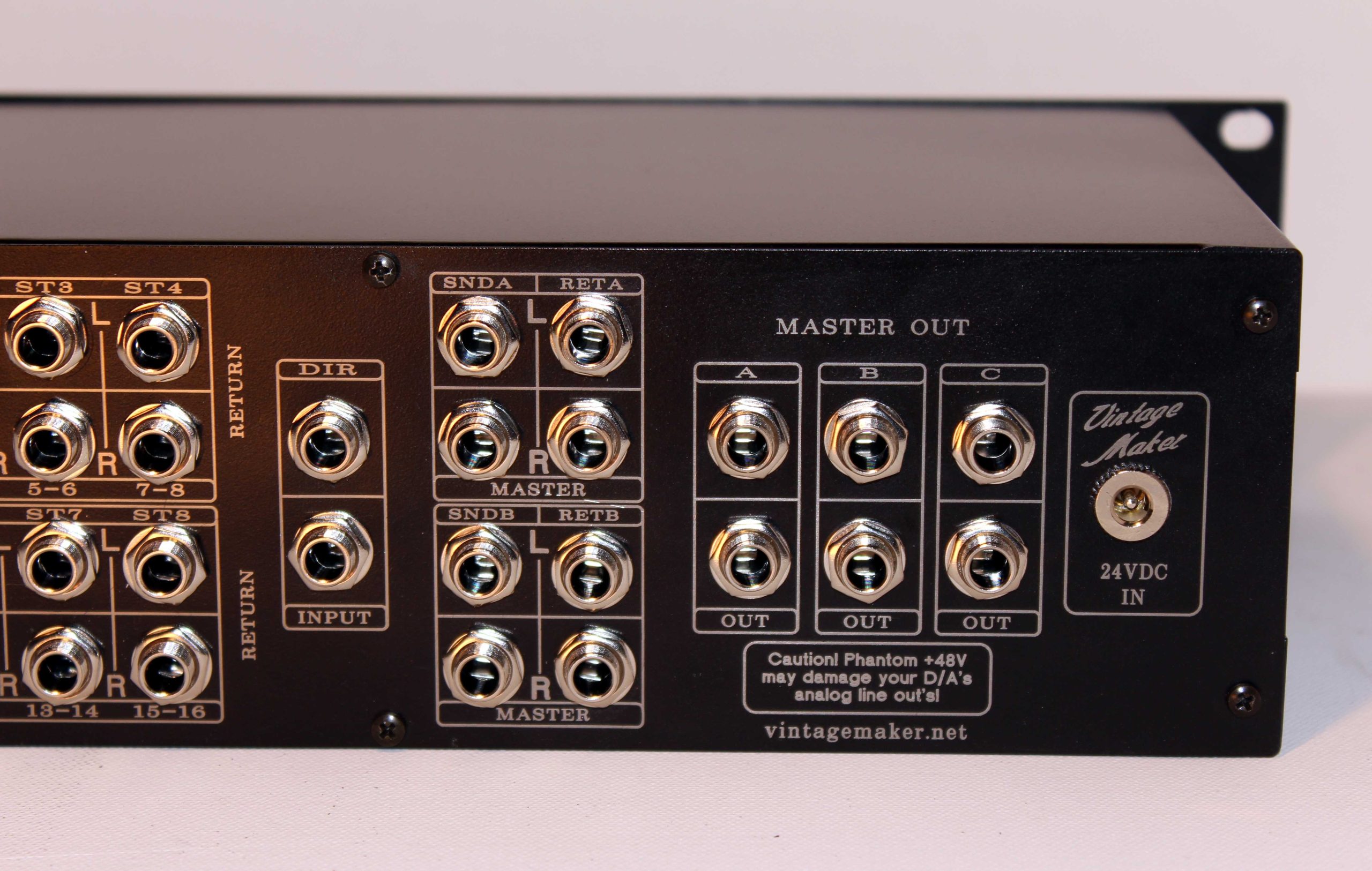
Stem Routing Example — 16 Channels
✏ Note: Table created from original text for clarity and easy reference for potential customers.
One big challenge was to find an affordable and good sounding 16 Channel D/A and a very good recording A/D. Many discussions with local Mastering Engineers (using Mytek) as well as having studied many D/A and A/D specifications finally ended up to buy RME FF800 and FF400 (Main A/D). Each 8 Channel Converter Unit is connected through a separate FireWire 800 PCIe Card to provide the full 192kHz bandwidth. Now Ableton with ASIO4ALL and TotalMix are running with 16 Channels@192kHz over WordClock synchronization. I could run my legacy AES and SPDIF Equipment over the RME Slave Unit, using the “single speed” WordClock Option to sync 48kHz Signals. Against all Experts I could sync 192kHz and 48kHz Signals within the same Vintage Maker setup.
| Channels | Source | Notes |
|---|---|---|
| 1–4 | Bass Drum, Main Vocal, SubBass | Mono option active — centered |
| 5–6 | Percussions | Stereo |
| 7–8 | Bass | Stereo |
| 9–10 | Synthesizer | Stereo |
| 11–12 | Backing Vocals | Stereo |
| 13–14 | Violin, Guitars, Lead Instruments | Stereo |
| 15–16 | Effect Samples | Stereo |
Cabling, Monitoring:
I cabled the D/A’s with Contrik/Neutrik Cables NK2/4. For most Insert’s, Main out and FF400 A/D In I use my expensive Silver Mic Cables from the 70’s. I did some check’s between cables and could clearly hear some differences. Maybe due to the fact, that I also moved away from an active Monitoring to a full Class-A Bi-wired passive Monitoring using a H&H VX 450 Watt MosFET Amp with Tannoy System 12 DMT Speakers.

Recording Workflow
Once a track is partially composed, Patrick records instrument signals directly into RME FF400 channels 3 and 4 (instruments) or 1 and 2 (mic levels). The signal passes through the VintageMaker in active Neumann mode, with or without inserts for additional outboard coloring — Studer, Urei, Klark, BSS equipment.
During demo mixing, each channel runs over Ableton Send (12 mono sends), then through RME TotalMix D/A chip routing into the VintageMaker.
WordClock Synchronization Note
Against expert advice, Patrick successfully synchronized 192 kHz and 48 kHz signals within the same VintageMaker setup using the RME Slave Unit’s single-speed WordClock option to sync legacy AES and SPDIF equipment at 48 kHz alongside 192 kHz channels.
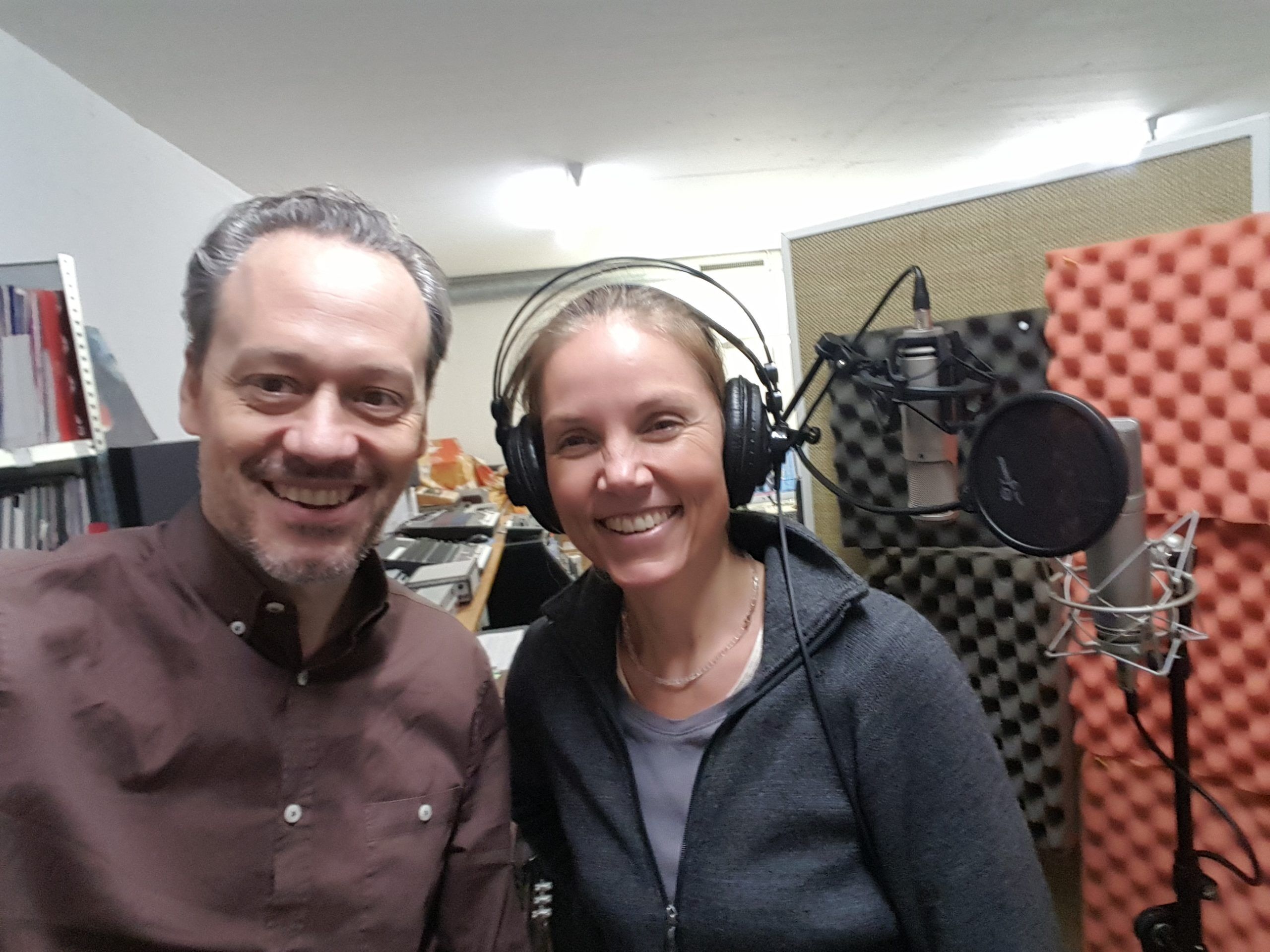
Thanks to Vintage Maker
Greetings from Switzerland – Patrick and Claudia.
Interested in a similar setup?
Browse Active Transformer Summing Mixers →