
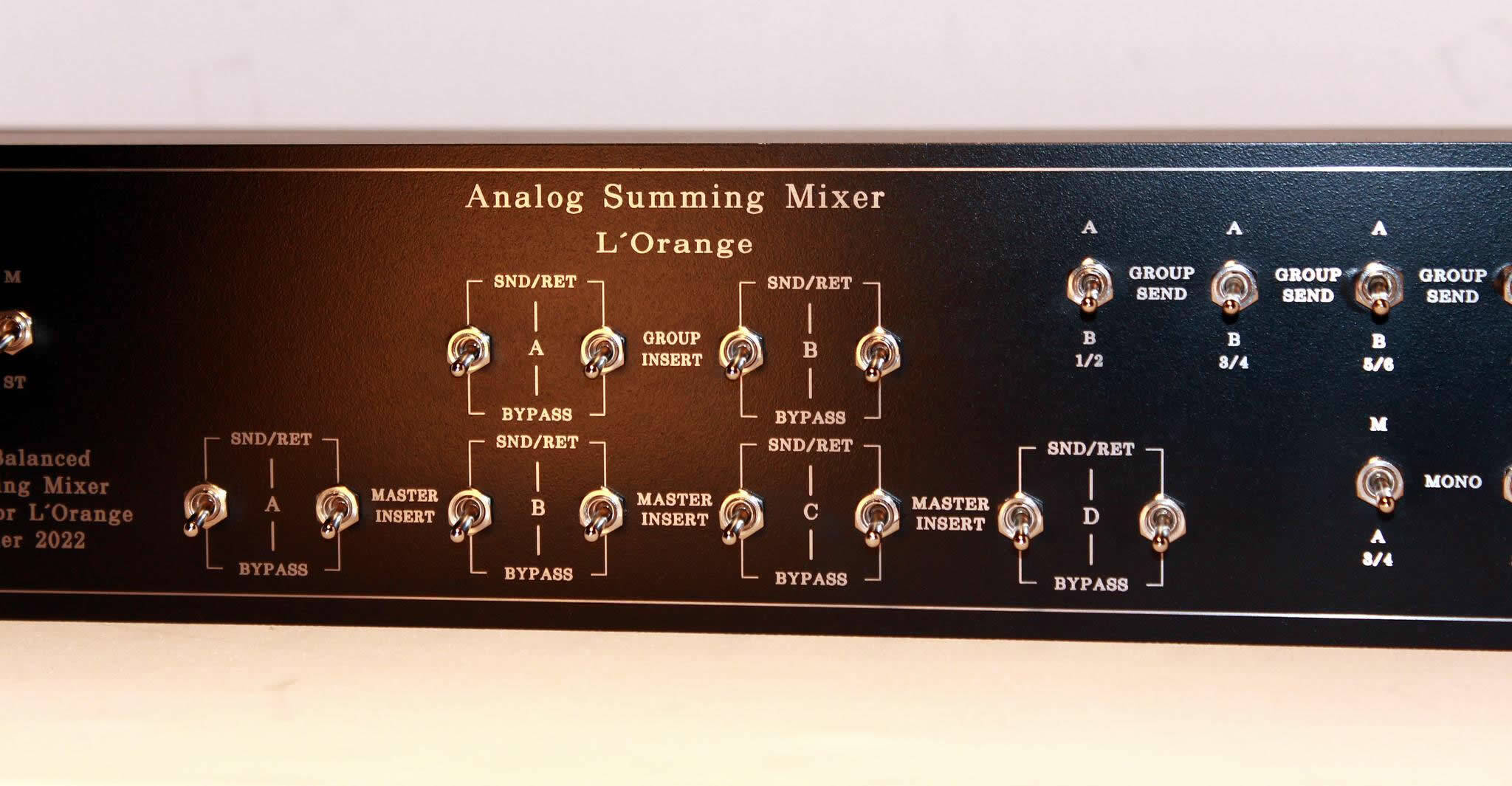
Analog Passive Multi 2-4-BUS Mix Sub Group Summing Mixer
Passive Multi-Bus Summing Mixer: The Sub-Group Analog Mixing Technique Explained
What is the sub group multi bus mixer? Read more at: https://vintagemaker.net/documentation/#multi-bus-sub-group-mix-bus
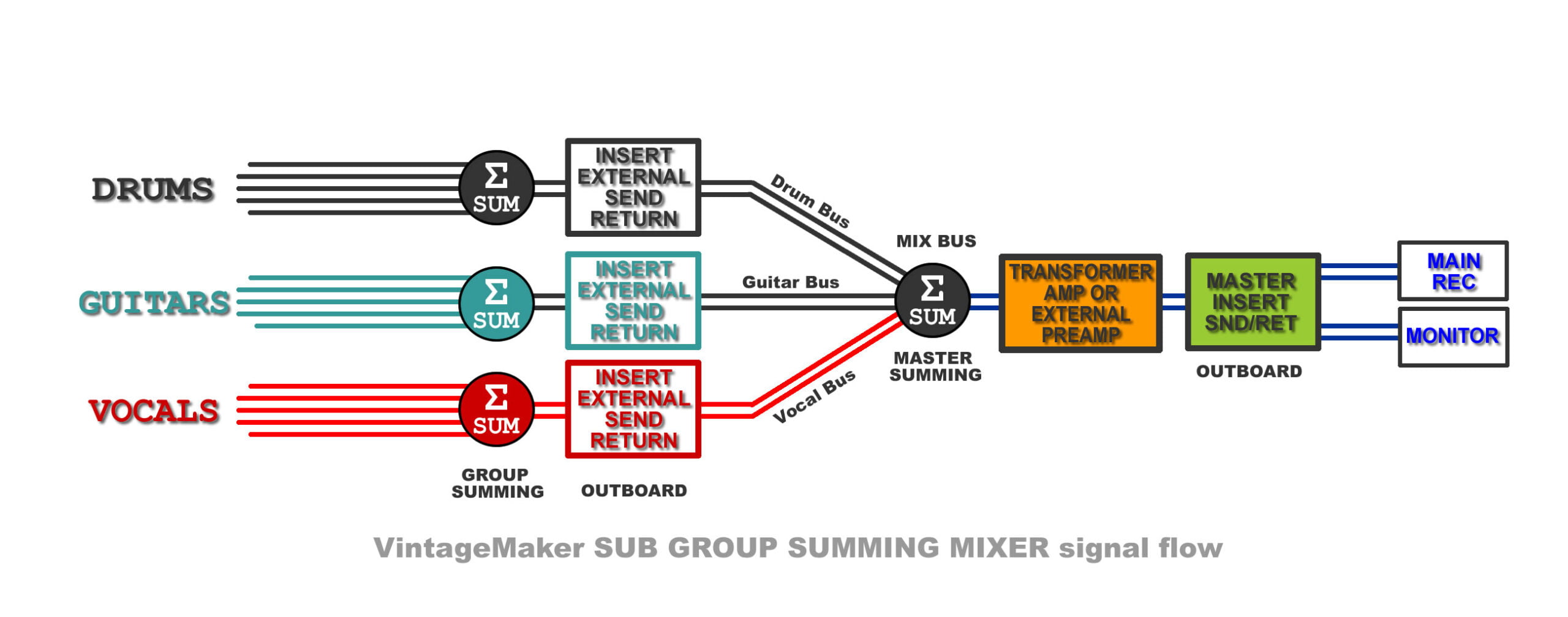
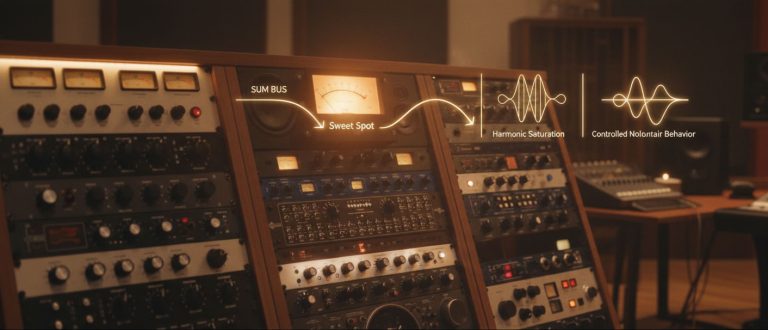
Most analog summing setups route all stems directly to a single master bus. The multi-bus architecture goes further: stems are grouped into subgroups (drums, instruments, vocals, FX), each subgroup passes through its own insert send/return for dedicated outboard processing, and the processed groups are then summed to the master bus. The result is the workflow flexibility of a large-format console — in a compact, custom-built analog unit.
🔗 New to analog summing? Start here → vintagemaker.net/analogsummingmixer/
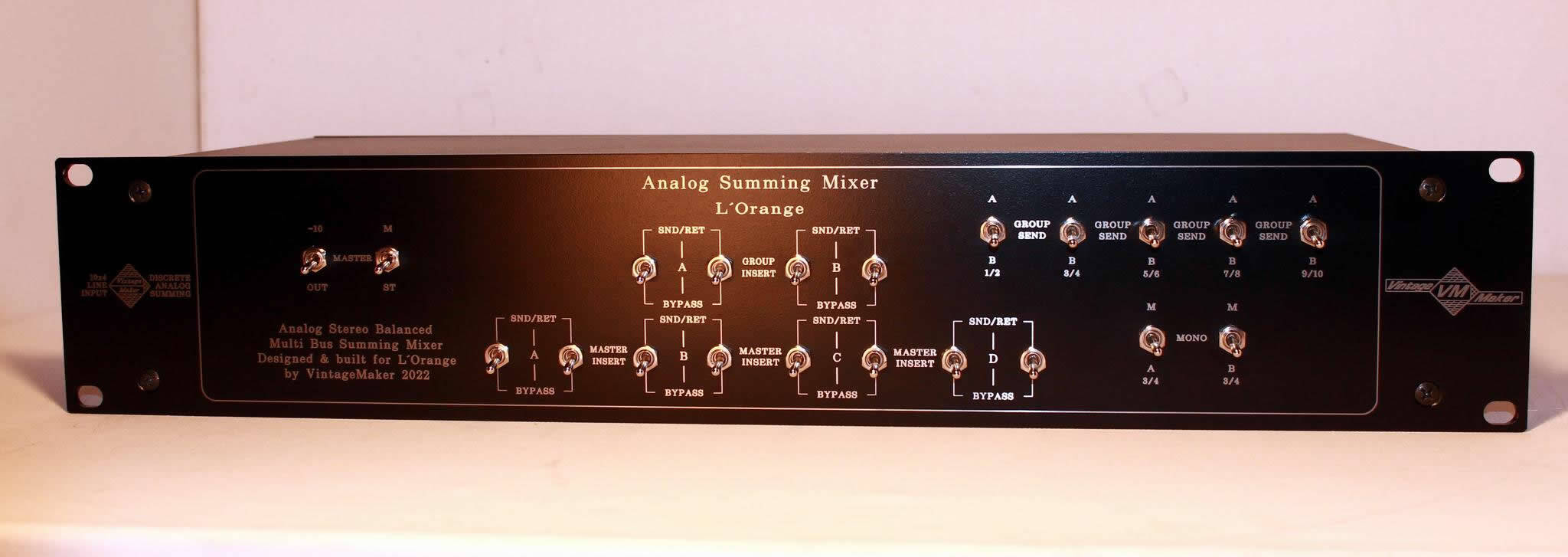


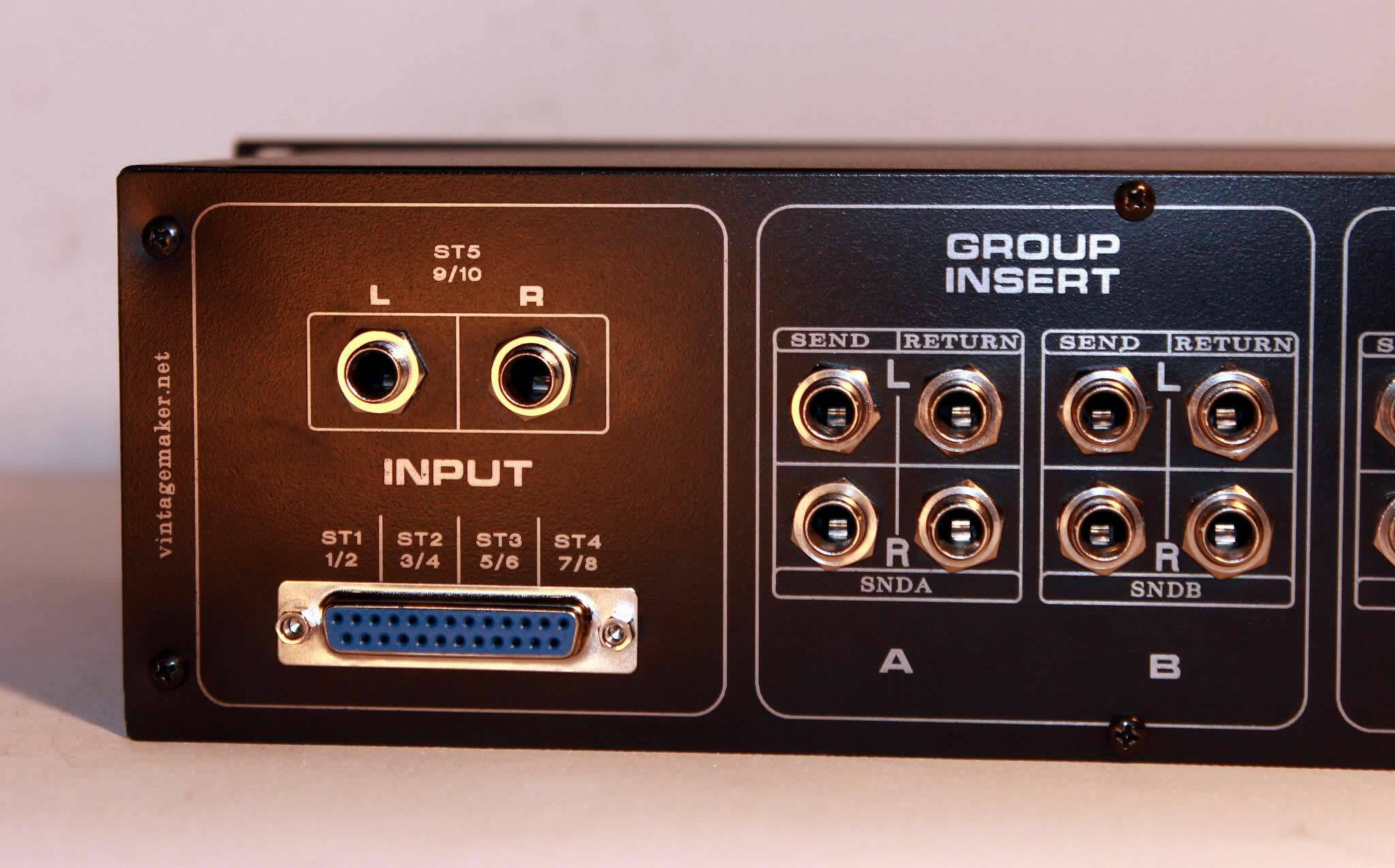
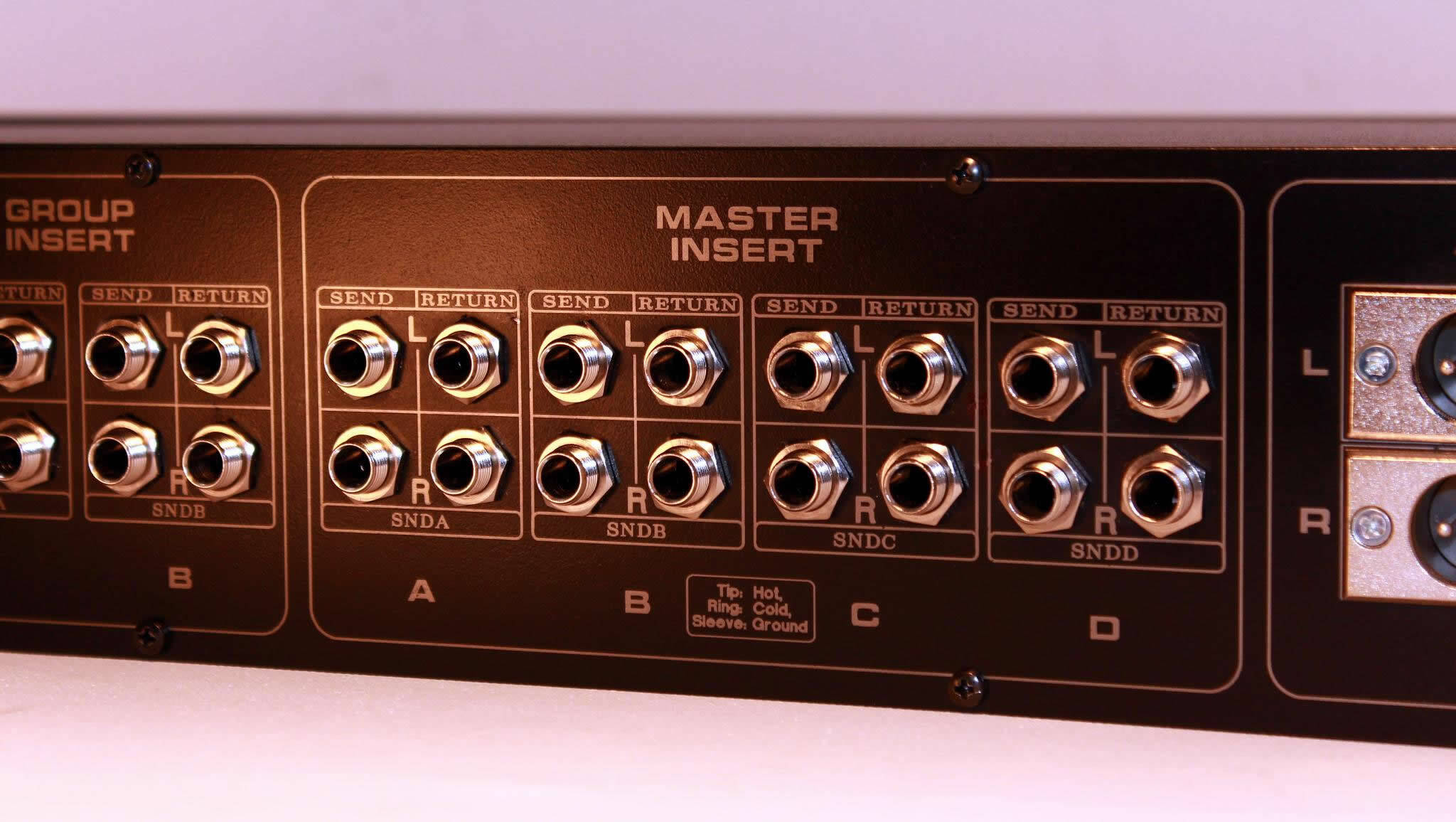

What Is a Multi-Bus Summing Mixer?
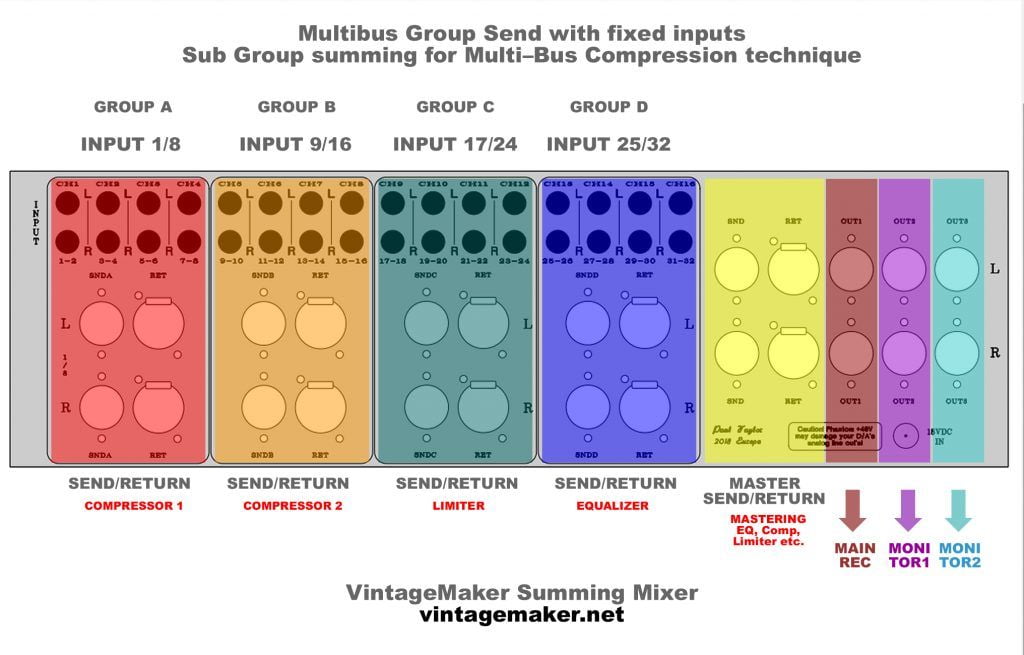
A multi-bus summing mixer adds a subgroup stage between your DAW outputs and the master bus. Instead of all stems feeding directly into one sum, they first feed into dedicated subgroup buses (Group A, B, C, D). Each group has its own insert send/return point — allowing compressors, EQs, tape simulators, or other outboard gear to process each subgroup independently before the final master sum.
This is the same architecture used in large-format analog consoles. On an SSL 4000 or Neve 8078, every channel can be assigned to a subgroup bus, and each bus has its own insert point. The multi-bus passive summing mixer brings this workflow into a compact 1U or 2U rack format.
The Multi-Bus Compression Technique: Why It Works
Applying compression to the master bus alone affects the entire mix simultaneously. The multi-bus approach allows each element group to be compressed or processed with different character and depth — tight bus compression on the drum group, smooth optical compression on vocals, tape saturation on the instrument group — before everything combines at the master sum.
The subgroups arrive at the master bus already processed and cohesive within themselves. The master sum then combines four polished subgroups rather than raw individual stems. The result is a tighter, more energetic, and more professional-sounding mix with greater control at each stage.
Basic Sub-Group Routing Example
| Group | Content | Processing | Purpose |
|---|---|---|---|
| A | Drums, percussion, bass | Bus compressor (DBX 160x, SSL, optical) | Glue rhythm section, control dynamics |
| B | Synths, guitars | Tape simulator (Neve, Studer) | Add warmth, subtle saturation |
| C | Lead vocals | Stereo EQ (Kush Electra, passive EQ, presence boost) | Shape clarity, presence, widen stereo |
| D | Background vocals & FX | Parallel compression, reverb processing | Add body, control reverb |
| Master | All groups | Stereo compressor, mastering EQ, tape | Glue mix, tonal balance, analog vibe |
Example Customer Studio Setup (Reference Outboard Chain)
| Category | Gear / Options | Quantity / Notes |
|---|---|---|
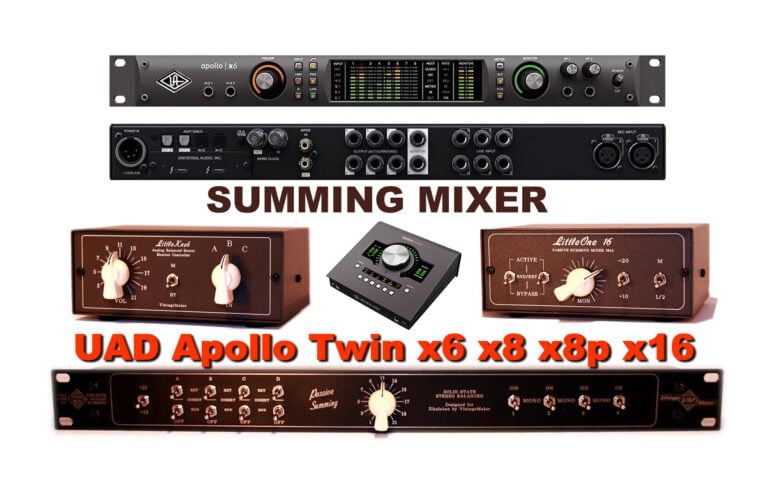
| Interface | UAD Apollo 8 | 1 |
| MPC 2500 + RSE LTM-8 Line-to-Mic Converter | 1 | |
| Preamps | Hairball Audio Lola | 2 |
| AML 1073 | 2 | |
| RSE PC502 | 2 | |
| Cranborne Camden 500 | 2 | |
| SSL-style | 4 | |
| Capi v26 | 2 | |
| Group Insert Options | DBX 160x (stereo) | 1 |
| Neve 542 Tape Simulator | 1 | |
| Thermionic Culture Culture Vulture | 1 | |
| SP303 | 1 | |
| Kush Audio Electra EQ | 1 | |
| Master Insert Options | Louder Than Liftoff Silver Bullet | 1 |
| Hendyamps Michelangelo Tube EQ | 1 | |
| Hendyamps Pollock Optical Compressor | 1 | |
| Neve 542 | 1 | |
| TK Audio TK-Lizer EQ | 1 |
The multi-bus architecture is the ultimate bridge for hybrid studios. It provides the “Analog Glue” and harmonic complexity that digital summing cannot replicate. By separating your mix into subgroups, you gain the workflow flexibility of a large-format console in a compact, custom-built analogue unit.
Who Is the Multi-Bus Summing Mixer For?
Mix engineers who want per-group compression and processing with true analog glue at each stage — maintaining depth, punch, and cohesion across the mix.
Hybrid producers with a serious collection of outboard gear who need a systematic, repeatable routing architecture instead of ad-hoc patching.
Professional studios requiring console-style sub-group workflow in a compact rackmount format — without committing to a full-size desk.
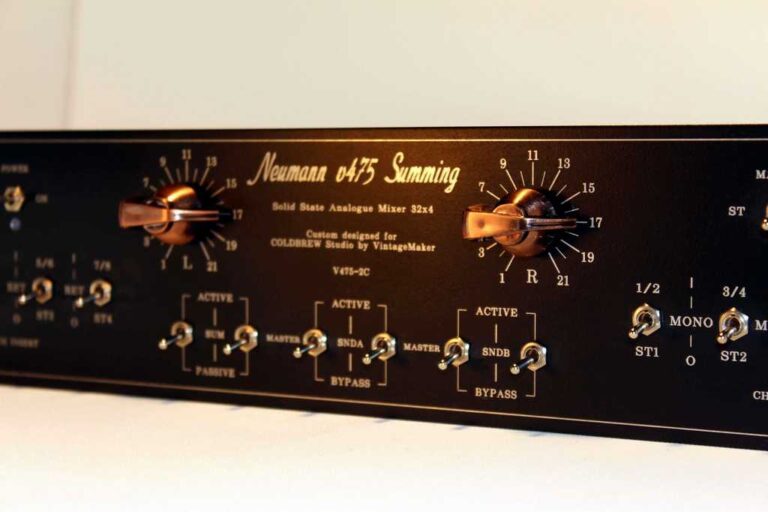
Engineers shaping tone intentionally who want to apply different transformer character — such as Neumann or Filtek — to different elements of the mix for controlled harmonic coloration.
Ready to discuss your multi-bus configuration?
Let’s design a system that fits your workflow, outboard collection, and sonic goals.
Contact VintageMaker →
🔗 https://vintagemaker.net/contact


Hello there, You have done an excellent job. I’ll definitely digg it and
personally suggest to my friends. I am sure they will be
benefited from this site.
Hey there!
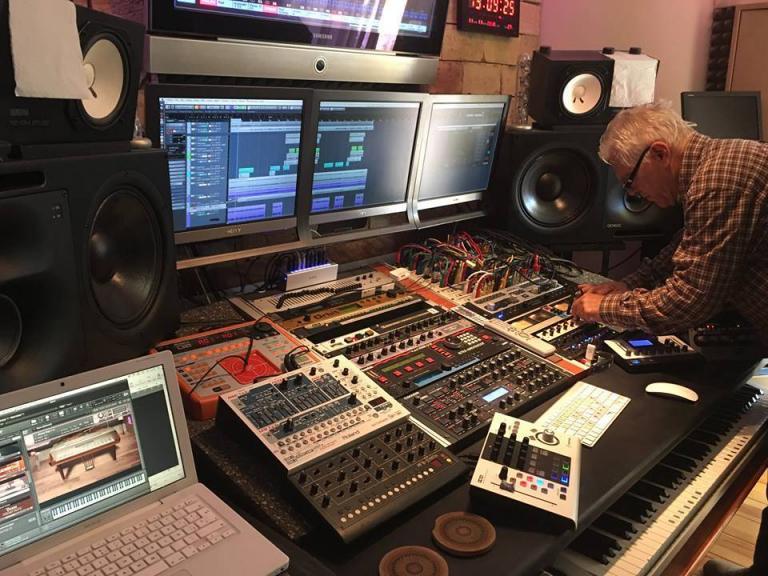
Your studio setup looks impressive! For me like im in heaven! 🙂
You have a great selection of preamps to choose from, including the Hairball Audio Lola and the AML 1073. The RSE PC502 and Cranborne Camden 500 preamps are also excellent choices.
I also love the addition of the RSE LTM-8 line to mic level converter, which can come in handy when you need to record instruments or other sources that have a lower output level. And your A/B send options with the DBX 160x compressor, Neve 542 tape simulator, Thermionic Culture Culture Vulture, SP303 stereo effects processor, and Kush Audio Electra stereo EQ, provide a wide range of sonic possibilities for your recordings.
Regarding the A/B send options, the DBX 160x Compressor and the Neve 542 Tape Simulator are popular choices for adding character and warmth to your tracks. The Thermionic Culture Culture Vulture and Kush Audio Electra are also great tools for adding creative effects and EQ to your mix.
Finally, the Louder Than Liftoff Silver Bullet and Hendyamps Michelangelo and Pollock, and the TK Audio TK-Lizer are excellent options for mastering your tracks, providing stereo preamps, tube EQ, optical compression, tape simulation, and stereo EQ, respectively.
Overall, your studio setup seems like it has all the tools you need to create professional-sounding tracks.
Enjoy your setup and keep making great music!
Happy producing!